How to Plan 100+ Blog Posts Using Topic Clusters [My Personal Workflow]
How do you plan your content?
Do you just Google a keyword, scrape the SERP, and hit “publish“?
That might’ve worked back in 2022. But in 2025, it’s a different game.
With the June core update still shaking the SERPs, most blogs are seeing one thing:
Fewer clicks. Lower rankings. Slower results.
Why?
Because Google isn’t rewarding keywords anymore. It’s rewarding topic coverage, entity authority, and content structure.
In short:
The sites that win are the ones that build strategic topic clusters — not random blogs.
Here’s the deal:
You don’t need 100 articles.
You need the right 15–20 that cover your niche like a digital encyclopedia — and make Google say,
“Yup, they’re the authority here.”
In this post, I’ll show you exactly how I cluster topics for a brand-new niche —the same strategy I’ve used to:
- Outrank high-DR competitors
- Get indexed faster
- And build long-lasting content moats that survive algorithm changes
Let’s skip the theory. Let’s get into the framework.
First, What Is Topical Mapping, Clustering, & Authority?
Before we get into the “how,” let’s quickly break down a few key terms. These aren’t just SEO buzzwords — they’re the backbone of why this strategy works.
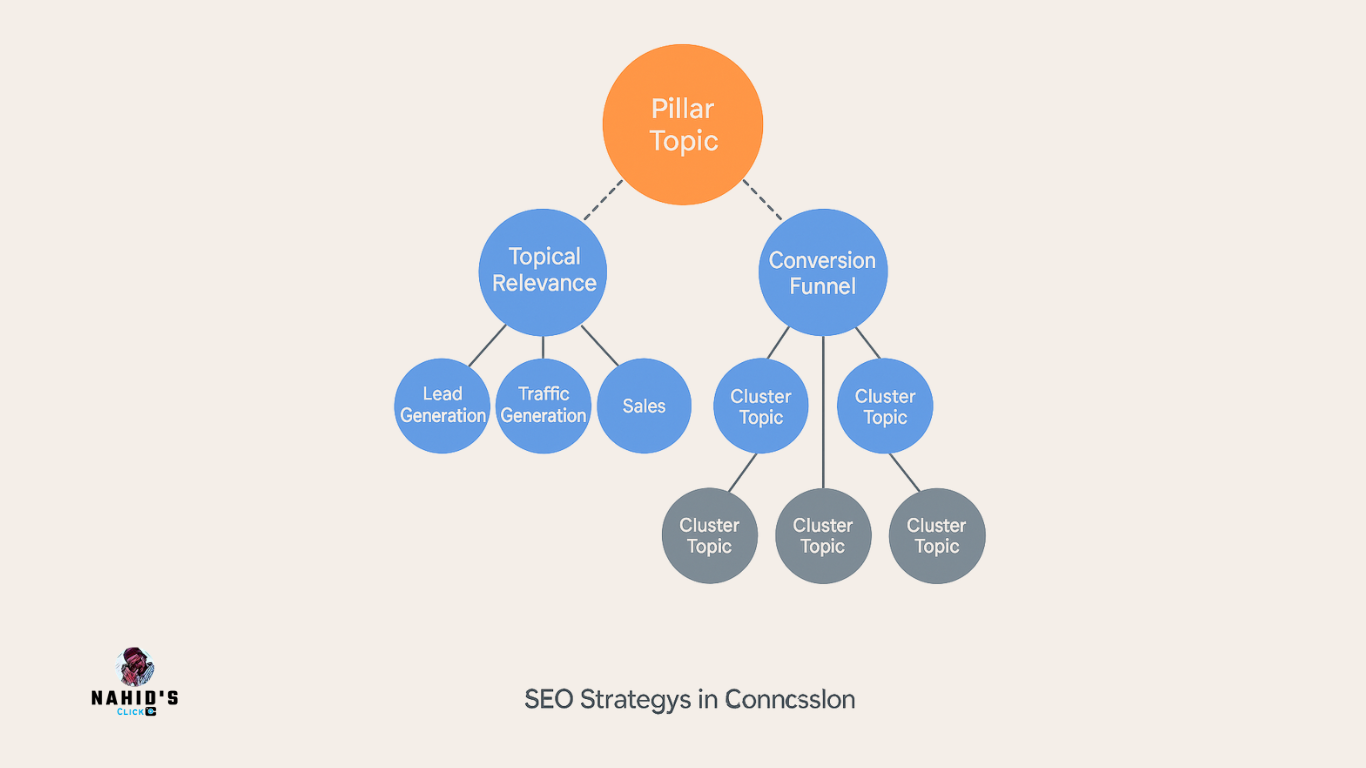
Topical Mapping
This is the process of visually or logically organizing all the core topics and subtopics related to your niche.
Think of it like a mind map for content.
Example: If your site is about “freelance writing,” your topical map might include branches like:
- Niches (blogging, copywriting, technical writing)
- Tools (Grammarly, Notion, AI tools)
- Growth (portfolio, pricing, pitching)
- Monetization (Upwork, ghostwriting, courses)
Each branch becomes a pillar, and each node becomes a cluster topic.
Content Clustering
Once you’ve mapped your topics, clustering is how you structure and publish them.
A content cluster usually looks like this:
- 1 pillar (hub) page: Broad topic overview
- 5–10 cluster (spoke) articles: Specific angles, tutorials, comparisons
- Strategic internal links between all of them
Why? Because this setup helps Google understand your site’s topical depth, which directly boosts rankings.
Topical Authority
Topical authority means that Google sees you as the go-to source on a subject.
Not because you wrote one viral post…
…but because you’ve covered the entire ecosystem of a topic, from A to Z.
Here’s how it works:
- The more relevant, well-linked content you publish around one subject…
- The more semantic connections Google sees…
- And the higher you’ll rank (often with fewer backlinks than your competitors)
Now that you know what we’re working with, let me show you how I build clusters for real-world niches — from scratch.
How to create a topical mapping and content cluster
Want to build topical authority from day one — without wasting time writing random blogs?
This is my method for planning out 100+ content topics, 7–8 pillar clusters, and a full conversion-optimized funnel for a brand-new website.
No keyword stuffing. No guesswork. Just a proven SEO foundation that works.
Step 1: Choose the Main Topic (aka Your Core Entity)
Every content strategy begins with a focus.
But instead of starting with keywords, I start with a random core topic that Google can understand as an entity.
Example:
If I’m starting a new website in the email marketing space, my core topic might be:
- Email Marketing
- Email Automation Tools
- Email List Growth for Bloggers
This isn’t just a theme — it’s the semantic foundation for everything that follows.
Step 2: List Out Your Competitors
Next, I list 5–10 real competitors who already rank for this topic.
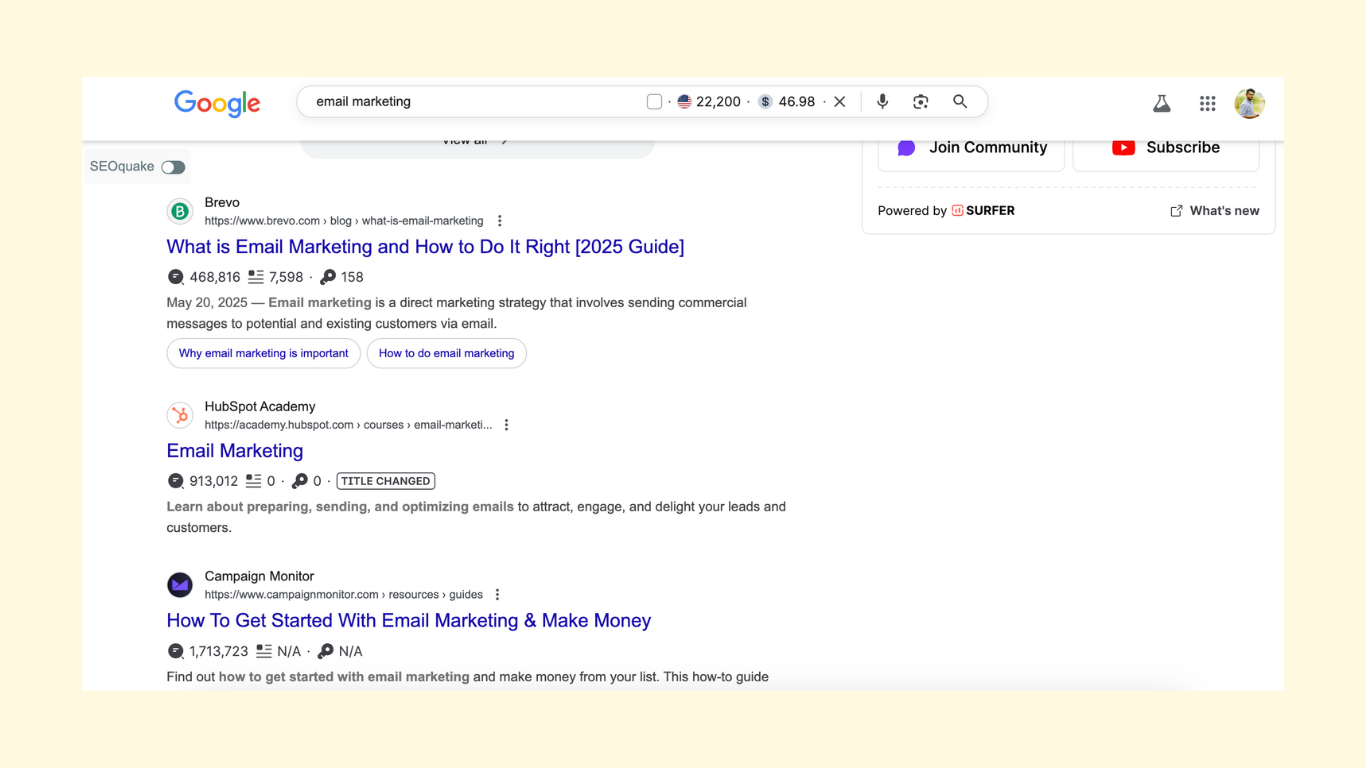
I don’t use random tools here — I check:
- Who ranks in Google’s top 10 for my topic?
- Who’s publishing frequently?
- Who has detailed guides or tools?
Example tools I use:
- Google Search (manual)
- Ahrefs / Semrush (top pages by traffic)
Example competitors (email niche):
- EmailToolTester
- Mailchimp
- ConvertKit
- GetResponse
- HubSpot
Step 3: Analyze Their Topics and Sitemaps
Now I dig deep into their blogs, using:
- Sitemap.xml files (to see full post lists)
- Blog archives (to analyze frequency)
- Category pages (to reverse-engineer clusters)
I track:
- What categories do they use?
- How often do they publish?
- Which topics get the most attention?
Look for content patterns — like recurring themes (e.g., “email subject lines,” “automation workflows,” etc.)
🎯 Pro Tip:
Step 4: Define 7–8 Pillar Topic Categories
Now I group everything I’ve found into 7 to 8 pillar topics.
Each pillar should be:
- Broad enough to have 10+ blog topics under it
- Narrow enough to stay focused
- Mapped to an entity, not just a keyword
Example for “Email Marketing”:
- Email List Building
- Automation Workflows
- Email Tools Comparison
- Newsletter Growth Tips
- Email Copywriting
- A/B Testing
- Deliverability & Spam
- Email Marketing for Specific Niches (e.g., SaaS, Ecommerce)
These become your content silos or clusters.
Step 5: Categorize Topics by Funnel Stage (ToFu / MoFu / BoFu)
This is where I add strategy.
I take all the topics and place them under:
- Top of Funnel (ToFu) → Informational content to attract traffic
- Middle of Funnel (MoFu) → Product comparisons, use cases
- Bottom of Funnel (BoFu) → Review articles, tutorials, conversion pages
This structure is crucial — it lets me map each blog post to a conversion funnel and plan internal linking.
| Pillar Topic | Funnel Stage | Sample Blog Title |
| List Building | ToFu | “10 Ways to Grow an Email List from Scratch” |
| Tools | MoFu | “ConvertKit vs Mailchimp: Which One’s Better for Creators?” |
| Deliverability | BoFu | “How to Avoid the Gmail Promotions Tab (Step-by-Step)” |
Step 6: Build the Funnel Strategy
Now that I know the funnel, I create a sitewide strategy:
- Which pillar leads to which opt-in or product?
- What CTAs should be placed in each stage?
- Which articles should interlink to each other?
This lets me align:
- SEO goals
- Email marketing
- Affiliate offers
- Product launches
Your content becomes a strategic engine, not just blog filler.
Step 7: Finalize 100+ Topics (Organized by Pillar + Funnel)
Finally, I brainstorm and validate at least 100 blog topics, all categorized by:
- Pillar category
- Funnel stage
- Intent (informational, transactional, etc.)
- Search volume + difficulty (if available)
🔄 I organize everything in Notion, Airtable, or a content calendar — ready to assign to writers or write myself.
Publish each cluster in batches. Aim to release one full pillar (8–12 articles) within 30–45 days.
🎯 Pro Tip:
This helps you rank faster, and Google sees your topical depth immediately.
Step 8: Create a content plan quarter-wise
So now you’ve got your:
- Topic clusters
- Funnel alignment
- 100+ content ideas…
But here’s where most people drop the ball:
They don’t have a real publishing plan.
You can have the best strategy in the world, but if your content doesn’t go live strategically and consistently, it’s useless.
That’s why I map everything into a visual content calendar — planned by publish date, pillar, funnel stage, writer, and content type.
Here’s a sneak peek from my actual calendar 👇
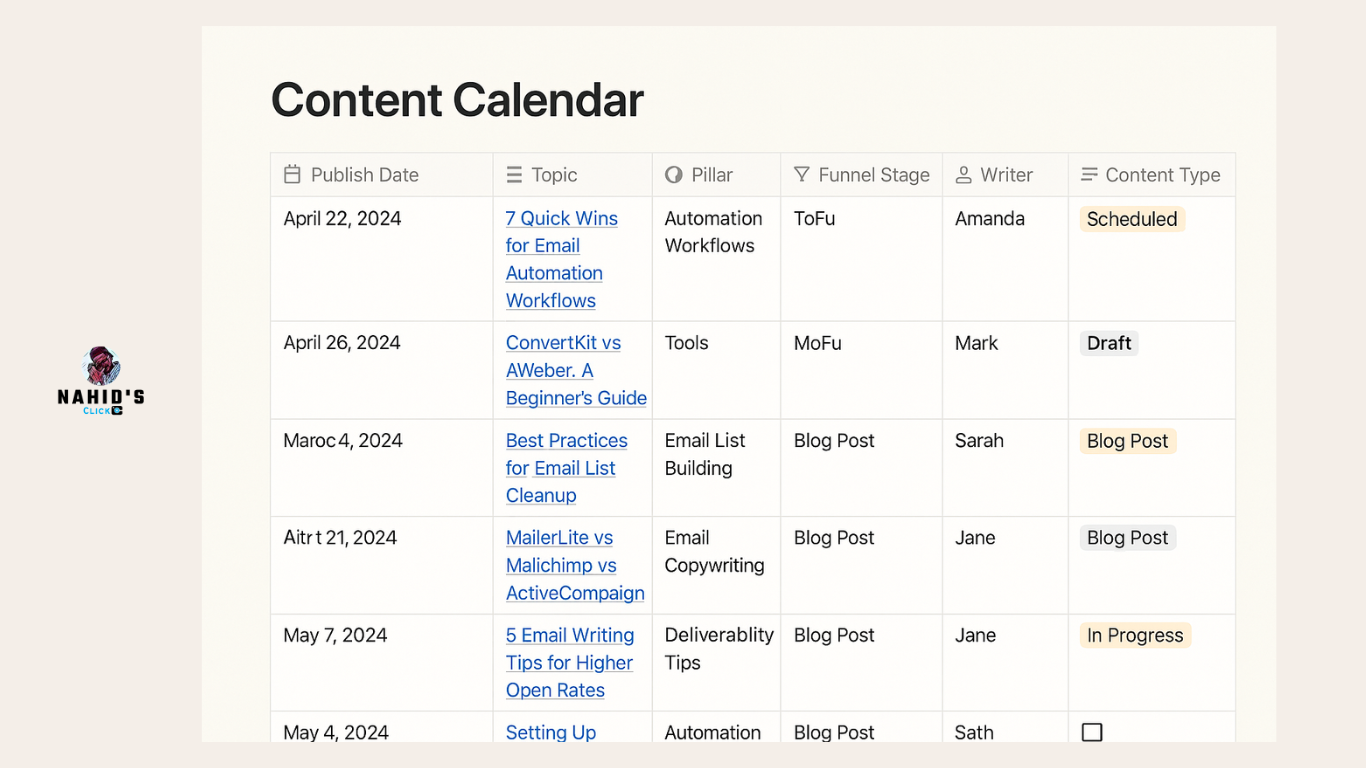
Now, here’s the thing:
- This is just the top 10% of what the calendar looks like.
- I’ve structured it to align with ToFu → MoFu → BoFu campaigns.
- Every piece is timed to support internal links, SEO bursts, or offers.
⚠️ Want access to the full calendar template I use?
I don’t publicly share this, but if you’re serious about building your content moat… reach out.
📩 Shoot an email at nahidsharif626@gmail.com or DM me on LinkedIn (nahidkomol)
I’ll send you the editable version and walk you through how to use it.
Frequently asked questions about content clustering
How should I organize and plan my content topics for maximum SEO impact?
Organize your content topics by pillar categories, funnel stages, and intent, then validate and categorize at least 100 topics using tools like Notion or Airtable, and publish clusters systematically to build topical depth quickly and rank faster.
What are the steps to create a content cluster for a new niche?
Creating a content cluster involves choosing a core topic, analyzing competitors, mapping out main categories, creating pillar topics, categorizing content by funnel stage, developing a sitewide funnel strategy, validating 100+ topics, and planning content release in structured batches.
What does it mean to build topical authority, and how is it achieved?
Building topical authority means establishing yourself as the primary source on a subject through comprehensive, well-linked content that covers the entire ecosystem from A to Z, thereby improving rankings by creating semantic connections.
How does content clustering improve website rankings?
Content clustering improves website rankings by structuring content around pillar pages and related articles, which helps Google understand the depth of your coverage on a subject and increases your authority, often with fewer backlinks.
What is the importance of topical mapping in SEO strategy?
Topical mapping is crucial in SEO strategy because it involves organizing core topics and subtopics related to your niche, creating a structured content ecosystem that enhances Google’s understanding of your site’s topical authority and boosts rankings.
Don’t Just Write — Build Authority with AIO, GEO & AEO in Mind
Most people still treat blogging like it’s 2018:
☑ Find a keyword
☑ Write a 1,500-word post
☑ Wait for traffic
But here’s the truth: That model is dead.
In 2025, ranking takes more than keywords and backlinks — it takes alignment with how Google and AI understand your site.
Let me explain.
🔹 AIO — AI Optimization
AI tools like ChatGPT, Perplexity, and even Google’s SGE don’t just scrape keywords — they interpret meaning and depth.
If your content isn’t part of a clear topical map, you’ll get skipped.
🔹 GEO — Google Entity Optimization
Google no longer sees content as isolated posts. It sees entities and semantic relationships.
If your site doesn’t cover a topic thoroughly — with connected content across every angle — you won’t rank.
🔹 AEO — Answer Engine Optimization
Featured Snippets. People Also Ask. Voice Search.
Today, content needs to answer questions clearly and completely — within a structure that search engines can crawl, understand, and trust.
So what now?
- Pick one niche
- Map it like a knowledge graph
- Build clusters that link, support, and guide users from discovery to conversion
This isn’t just about traffic. It’s about becoming the go-to source in your niche for users, Google, and AI.
Loved the discussion?

Nahid Komol
Nahid Komol is a product marketer and GTM strategist specializing in WordPress, SaaS, and AI-integrated growth (AEO, AIO, GEO). With 10+ years of hands-on experience at brands like FunnelKit, FlyWP, and weDevs, he brings deep expertise in content strategy, product positioning, user acquisition, and full-funnel marketing.He's led campaigns generating $100K in sales, grown organic traffic by 70%, and ranked 500+ articles on Google, and is now building AI agent workflows that automate core marketing operations at scale.When he's not crafting strategies or engineering prompt systems, you'll find him exploring sci-fi, composing music, or capturing the quiet poetry of nature through his lens.
Comments are closed